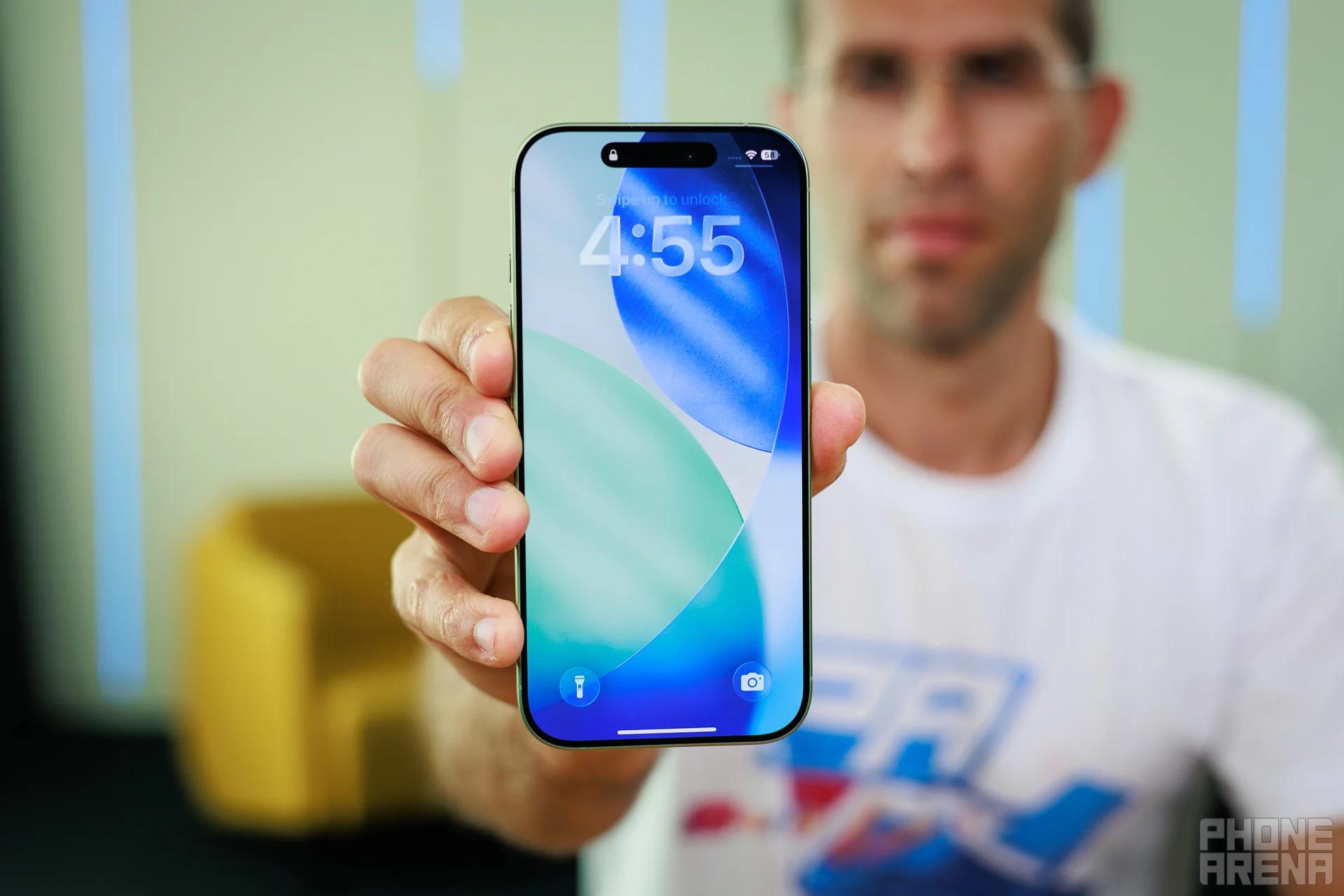
Extended testing of the iPhone 17 base model over a two-month period reveals a device that prioritizes fundamental smartphone capabilities rather than pursuing premium features found in Pro-tier devices. The iPhone 17 represents Apple's approach to the mainstream smartphone market, emphasizing reliability and core functionality.
The most significant hardware improvement in the iPhone 17 is the inclusion of ProMotion display technology, bringing 120Hz refresh rate capabilities to the base iPhone model for the first time. Previous base iPhone models were limited to 60Hz displays, creating a noticeable gap between the base and Pro models in terms of display smoothness.
The addition of ProMotion addresses a longstanding criticism of Apple's product segmentation strategy. High refresh rate displays have become standard in mid-range Android devices, making the 60Hz limitation on previous base iPhones increasingly difficult to justify. The iPhone 17's ProMotion display provides smooth scrolling and improved responsiveness that matches user expectations for devices in this price category.
The iPhone 17's battery performance falls within typical parameters for a device of its size and power consumption profile. Under heavy usage patterns, the device may require charging by mid-to-late afternoon. This battery life characteristic is consistent with the physical constraints of the device's form factor and the power requirements of its components.
Users who prioritize extended battery life may find the iPhone 17's endurance insufficient for full-day usage without supplementary charging. The device supports MagSafe wireless charging, allowing for convenient power top-ups throughout the day. Battery performance represents a trade-off inherent to compact smartphone designs, where physical size limitations constrain battery capacity.
The iPhone 17 features a dual-camera system rather than the triple or quad-camera configurations found in many competing devices. The camera hardware emphasizes consistency and reliability over versatility or maximum zoom capabilities.
Apple's computational photography algorithms prioritize accurate color reproduction and reliable focus performance, particularly for portrait and people photography. The camera system produces predictable results across various lighting conditions, though it lacks the extended zoom capabilities and specialized sensors found in camera-focused flagship devices.
Competing devices such as the Oppo Find X8 Ultra and Vivo X200 Pro offer more extensive camera hardware, including larger sensors and extended optical zoom ranges. However, these advanced camera systems introduce additional complexity and potential points of failure. The iPhone 17's simpler camera configuration reduces variables that can affect image quality, resulting in more consistent output.
The iPhone 17's stereo speaker system delivers audio quality that exceeds many devices in its price category. Apple's audio tuning provides clear midrange reproduction and more substantial bass response compared to typical smartphone speakers.
The speaker configuration utilizes the earpiece speaker and a bottom-firing speaker to create a stereo soundstage. While the audio quality cannot match dedicated audio equipment, it represents strong performance for integrated smartphone speakers. Few competing devices at similar price points deliver comparable audio output quality.
The iPhone 17 operates within Apple's iOS ecosystem, which provides a different set of capabilities and limitations compared to Android devices. iOS offers less customization flexibility than Android but provides consistent software update support and integration with other Apple devices and services.
For users invested in Apple's ecosystem, the iPhone 17 serves as an entry point that provides core iOS functionality without requiring investment in Pro-tier hardware. The device receives the same iOS updates and feature additions as more expensive iPhone models, ensuring software parity across Apple's smartphone lineup.
The iPhone 17 competes against both mid-range Android devices and Apple's own Pro-tier iPhones. The device's positioning emphasizes fundamental capabilities rather than cutting-edge features or maximum specifications.
Android devices in similar price ranges often offer larger batteries, more camera sensors, and higher-resolution displays. However, these specification advantages do not always translate to superior real-world performance or user experience. The iPhone 17's strength lies in the integration of hardware and software rather than individual component specifications.
The iPhone 17 represents Apple's mainstream smartphone offering, targeting users who prioritize reliability and ecosystem integration over premium features. The addition of ProMotion display technology addresses a significant gap in the base iPhone's feature set, bringing the device closer to parity with Pro models in terms of display quality.
Battery life remains a limitation for users with heavy usage patterns, though this constraint is common among compact smartphones. The camera system prioritizes consistency over versatility, which may appeal to users who value predictable results over maximum flexibility.
The device serves users who require a reliable smartphone with strong ecosystem integration but do not need the advanced features that justify Pro model pricing. For users already invested in Apple's ecosystem or those prioritizing long-term software support, the iPhone 17 provides core iPhone capabilities at a more accessible price point than Pro-tier devices.