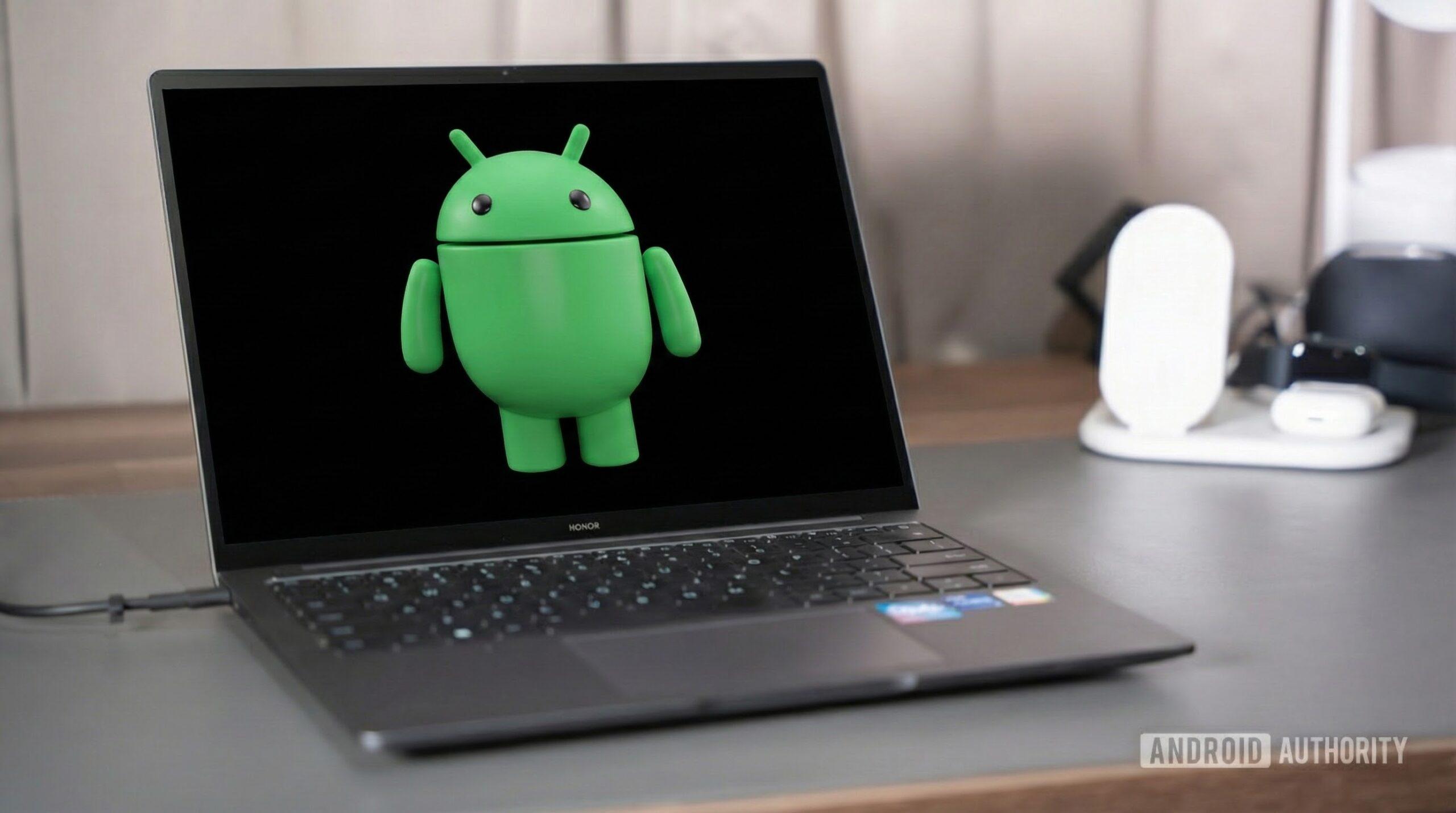
A recent survey has shed light on the sentiment of users towards ChromeOS, Google's operating system, as the tech giant prepares to unveil its successor, Aluminium OS. The survey, which gathered over 3,500 votes, revealed that the majority of users would not miss ChromeOS if it were to be replaced by Aluminium OS. This outcome is particularly significant, given Google's long-rumored plans to merge ChromeOS and Android into a single, unified platform.
The survey asked users a straightforward question: would they miss ChromeOS if Google were to sunset it in favor of Aluminium OS? The results were unequivocal, with over 83% of respondents indicating that they would not miss ChromeOS. This overwhelming majority suggests that users are eager to move on from the current operating system and are excited about the prospect of a new, improved platform.
Many users who participated in the survey expressed their dissatisfaction with ChromeOS, citing its stagnation and Google's history of abrupt shifts in direction. One commenter noted that Google had already "nerfed" ChromeOS by closing the Chrome app store and forcing users to rely on the Android store instead. This move, according to the commenter, was enough to drive them away from using ChromeOS altogether.
Another user, who uses ChromeOS in a more niche setting, acknowledged that while the operating system is not perfect, it is still preferable to other options, such as Windows 11. This sentiment is telling, as it suggests that users are not necessarily wedded to ChromeOS, but rather are using it as a means to an end. If Aluminium OS can deliver a better user experience, with more features and improved functionality, then users are more than happy to make the switch.
The survey results are also significant in light of Google's broader strategy to create a unified platform that combines the best of ChromeOS and Android. Aluminium OS, as it is currently known, is rumored to be a major overhaul of the company's operating system, one that will bring together the strengths of both ChromeOS and Android under a single umbrella. If successful, this move could potentially revolutionize the way users interact with Google's products and services, providing a seamless and integrated experience across devices.
The fact that users are so willing to abandon ChromeOS in favor of Aluminium OS speaks to the level of dissatisfaction with the current operating system. ChromeOS, which was first introduced in 2011, was initially designed to be a lightweight, web-based operating system that would provide users with a fast and easy way to access Google's cloud-based services. However, over the years, the operating system has failed to keep pace with the evolving needs of users, leading to a sense of stagnation and frustration.
In contrast, Aluminium OS is rumored to be a more comprehensive and feature-rich platform, one that will provide users with a more robust and integrated experience. If Google can deliver on its promises, then Aluminium OS could potentially be a game-changer, not just for the company, but for the entire tech industry.
The survey results also highlight the challenges that Google faces in its efforts to transition users to a new platform. While the majority of users are eager to move on from ChromeOS, there are still some who are hesitant or uncertain about the change. Google will need to work hard to convince these users that Aluminium OS is the right choice for them, and that it will provide a better experience than ChromeOS.
Ultimately, the success of Aluminium OS will depend on Google's ability to deliver a platform that meets the needs and expectations of users. If the company can get it right, then Aluminium OS could be a major hit, one that will propel Google to the forefront of the tech industry. However, if the platform fails to deliver, then users may be quick to abandon it, and Google's efforts to create a unified platform will be for naught.
As the tech industry continues to evolve and change, one thing is clear: users are no longer wedded to a particular operating system or platform. Instead, they are looking for the best possible experience, regardless of the underlying technology. Google's move to create a unified platform with Aluminium OS is a bold and ambitious one, and it will be interesting to see how it plays out in the months and years to come.
In the meantime, users will be watching with great interest as Google prepares to unveil Aluminium OS. Will the new platform live up to the hype, or will it fall short of expectations? Only time will tell, but one thing is certain: the future of Google's operating system is about to undergo a significant transformation, and users are eager to see what's in store. With the survey results indicating a strong desire for change, Google has a unique opportunity to create a platform that truly meets the needs of its users, and to establish itself as a leader in the tech industry.